- Home
- Entire Malaysia
- Kuala Lumpur▼
- Food
- Koji Rice Japanese Fermentation Starter 1kg
Koji Rice Japanese Fermentation Starter 1kg
List-ID: 11148567413 Mar 07:44
Description
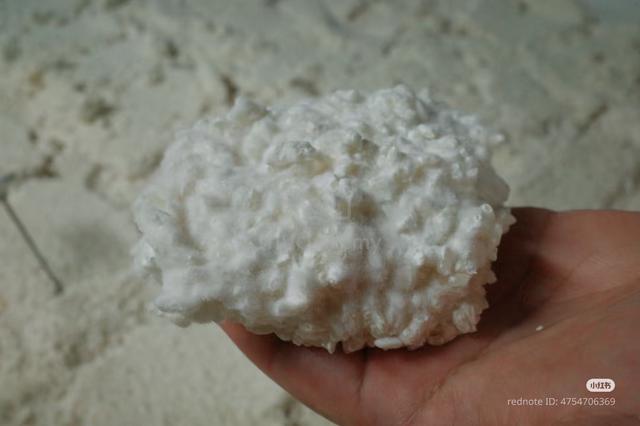
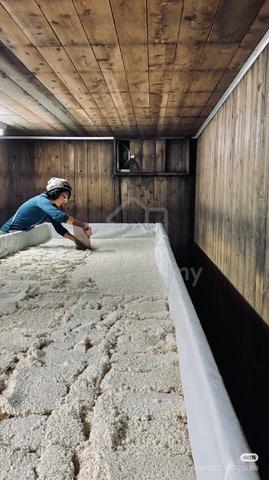
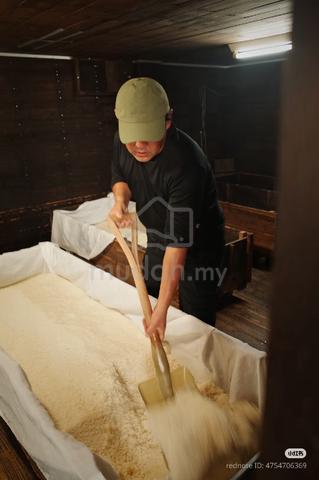
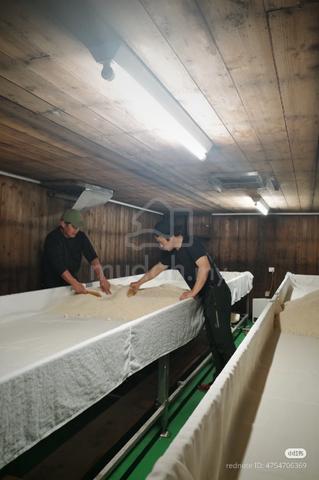
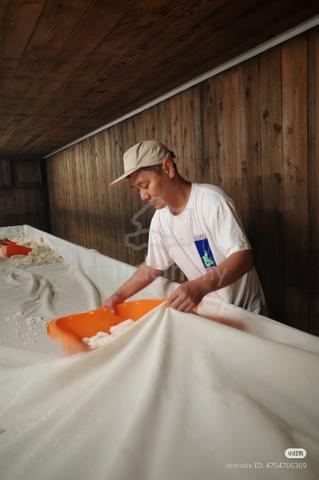
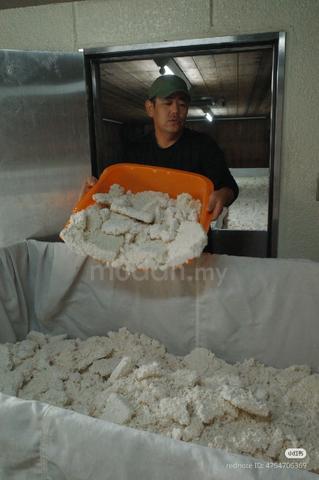
- Koji rice (also called kome-koji, 米麹 in Japanese) is cooked rice inoculated with Aspergillus oryzae, a beneficial mold used in many traditional Japanese fermentations. During a controlled incubation period (usually 2–3 days), the mold grows over the rice and produces powerful enzymes—particularly amylases (which break down starch into sugar) and proteases (which break down protein into amino acids like glutamate).
Key Characteristics:
Base ingredient: Usually white polished rice, sometimes brown or other grains.
Fermentation agent: Aspergillus oryzae (a GRAS-rated mold in food production).
Enzymes produced: Amylase, protease, lipase, and more—essential for breaking down complex food components.
Common Uses:
Koji rice is the enzymatic engine behind many iconic fermented Japanese foods:
Miso – Koji rice + soybeans + salt
Sake – Koji rice + steamed rice + yeast
Shoyu (soy sauce) – Koji rice + soybeans + wheat + salt water
Amazake – Koji rice + water (sweet, non-alcoholic)
Shio Koji – Koji rice + salt + water (a marinade and seasoning)
Why It Matters:
Koji rice is not just a moldy grain—it’s a bio-reactor that breaks down food into simpler, more flavorful, and often more digestible components. It creates deep umami, sweetness, and aroma, making it invaluable in traditional and modern culinary applications.
If you’re interested in making or using it, let me know—I can guide you through the process or help you experiment with unique applications like koji-aged meats, koji oil, or upcycled ferments.

Mudah Safety Tip
Reminder! Our staff will NEVER reach out to you through other platforms or channels outside of Mudah.my. Find out more safety tips in MudahSafety!
Do you find this ad suspicious or inappropriate?
Report this ad (List-ID: 111485674)Is this your ad? Manage it using these links.