
- Home
- Entire Malaysia
- Johor▼
- Hobby & Collectibles
- Phra Ngang / Ngang Ta Daeng
Phra Ngang / Ngang Ta Daeng
List-ID: 11597918811 Oct 15:02
Description
Specification
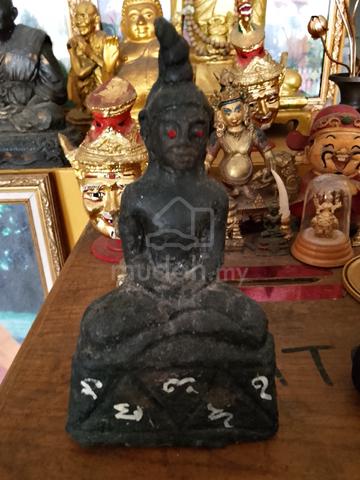
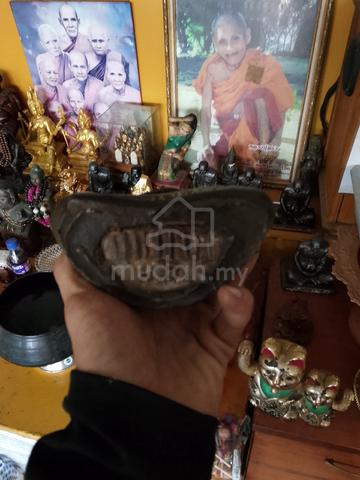
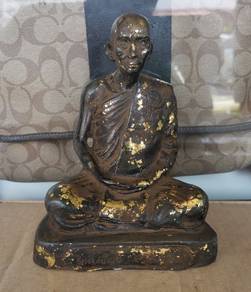
- Phra Ngang (also known as ไอ้งั่ง, พระอีหง่าง, etc.) originates from the ancient Khmer occult tradition and later became popular in Thailand. It is not an orthodox Buddhist image, but rather a sacred object belonging to the "สายดำ / ไสยศาสตร์" (black magic/folk supernatural powers) system. Main benefits according to believers: มหาเสน่ห์ / เมตตามหานิยม (powerful charm, popularity, attraction to the opposite sex); business prosperity, wealth, increased popularity and negotiation skills. Some versions also have protective and luck-changing functions. The red-eyed version (ตาแดง) is generally considered more powerful and "proactive." Do not place it higher than the Buddha image; it is usually offered alone or placed lower. Common offerings: white wine, cigarettes, fresh flowers, red/pink flowers, etc. (different masters have different rules). There is a specific mantra (Kata) to recite. This type of sacred object is considered relatively "intense," and believers generally offer it seriously and do not handle it casually. Ajarn Thiang: Around 2520 BE (late 1970s), Ajarn Thiang, the then abbot of Wat Chedi Luang, saw Aikhai in meditation. Aikhai appeared to the abbot and told him that if his image was carved into a statue for devotees to worship, the temple's incense offerings would flourish greatly. Therefore, Ajarn Thiang personally carved the first wooden statue of Aikhai in Thailand using a century-old wooden pillar that had been replaced at the temple. [1, 2, 3, 4]
3. First batch of amulet making: Phor Than Thuem In 2526 BE (1983), Phor Than Thuem, the then abbot of Wat Chedi, officially made and launched the first batch of Ai Khai amulets for wearing (the first batch of offering amulets was launched in 2546 BE). Because of the numerous miracles he created in terms of attracting wealth, windfall and wish fulfillment (such as believers winning huge lottery prizes), he became famous in Southeast Asia. [1] ⚠️ Special reminder about this amulet Because Ai Khai is extremely popular in Thailand, in addition to Wat Chedi regularly (usually once every 12 years or during major ceremonies) inviting many high monks from southern Thailand (such as famous masters of the Khao O lineage) to jointly bless and make amulets, many other temples and white-robed Ajarns also make amulets with the image of Ai Khai.

Mudah Safety Tip
For safety precautions, meet the landlord in person and inspect property throughly before transferring any payments. Find out more safety tips in MudahSafety!
Do you find this ad suspicious or inappropriate?
Report this ad (List-ID: 115979188)Is this your ad? Manage it using these links.
You May Also Like




![World-famous 靜婷[Chinese Singer] Premium CD in 3-pc](https://cdn.rnudah.com/grids/plain/740c83cd3d9ee4f20c3ea710dbf0a5da-2829023292948939412.jpg)
Price
RM 888
Location
Johor - Ulu Tiram
Condition
New
Shortlist, compare, decide — faster on the app.
Scan QR to Download App


4.7
200K+ reviews
Private
Share this ad